
Master your wood and metal cutting projects with the right circular saw designed for precision and power.
A circular saw is a versatile handheld power tool that uses a toothed metal disc to make fast and straight cuts in wood, plastic, and metal. Choosing the right saw depends on your power source preferences, blade size needs, and the specific materials you plan to cut during your home improvement projects.
Read The Full Guide
Understanding Power Sources
Cordless models offer ultimate job site freedom without tangled cords. Corded options deliver continuous power for heavy cutting tasks.
Choosing Blade Sizes
Blade diameter dictates your maximum cutting depth. Standard sizes handle common lumber dimensions with ease.
Selecting Tooth Counts
Low tooth counts remove material quickly for rough framing. High tooth counts leave smooth edges on finished plywood.
Prioritizing Safety Features
Electric brakes stop the spinning blade instantly when you release the trigger. Lower blade guards protect your fingers during storage.
Quick Buying Checklist
- Determine the maximum thickness of wood you plan to cut regularly.
- Decide between battery powered convenience and corded continuous runtime.
- Select appropriate tooth counts for smooth finishes versus fast rough cuts.
- Inspect safety guards and electric brake functionality before every project.
Top Picks To Compare
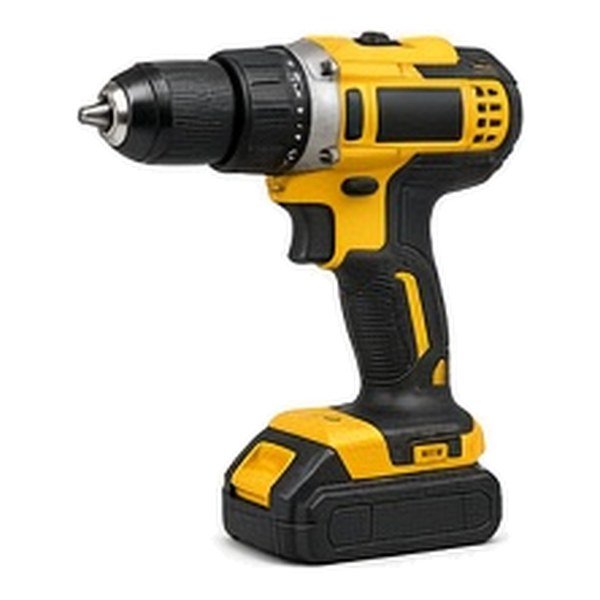
Cordless Drill Drivers
Verify that the voltage matches your existing tool battery platform.
COMPARE OPTIONS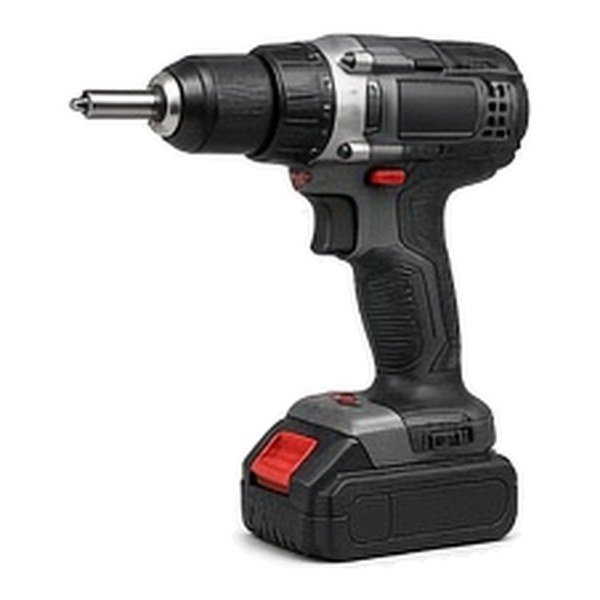
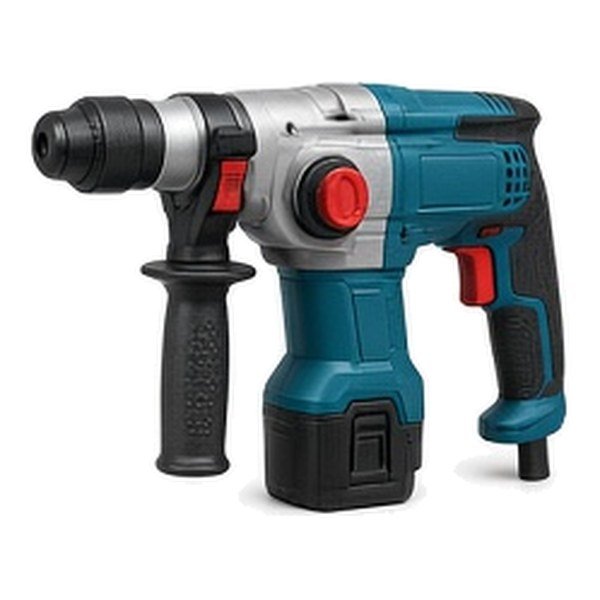
SDS Plus Hammer Drills
Ensure the hammering mechanism suits your concrete anchoring needs.
COMPARE OPTIONS
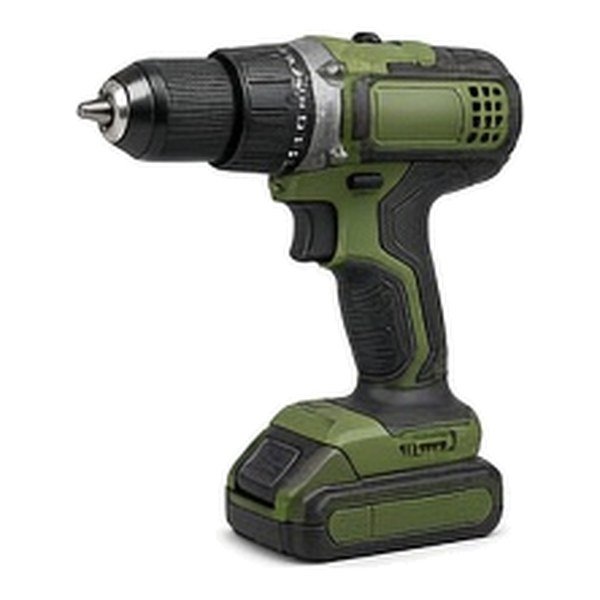
Brushless Cordless Drills
Confirm motor efficiency extends runtime during demanding cuts.
COMPARE OPTIONS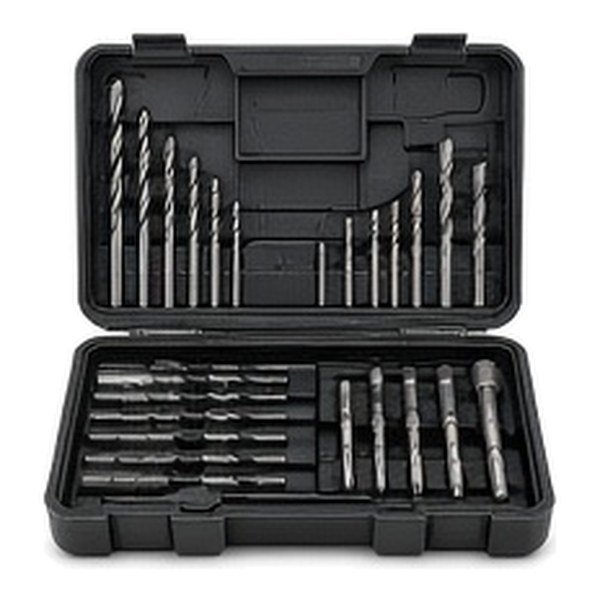
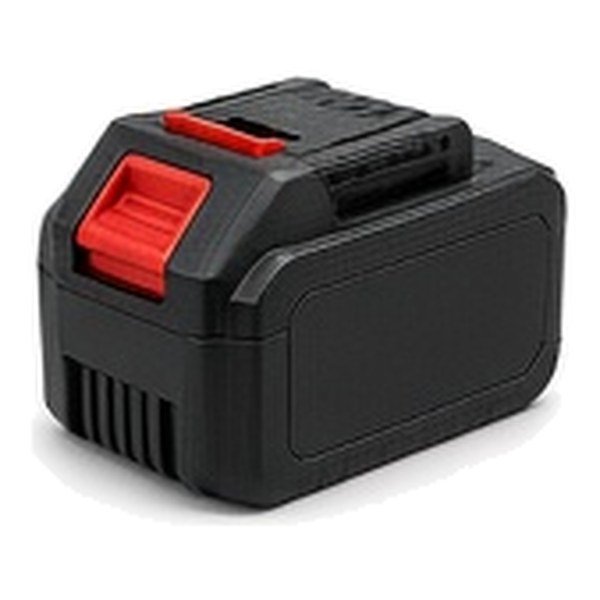
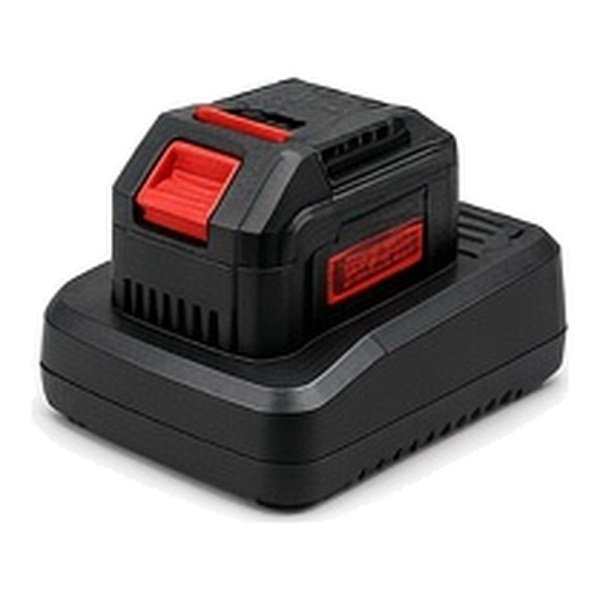
Battery Chargers
Check cooling fan inclusion to prevent overheating during rapid charging.
COMPARE OPTIONS
Questions Shoppers Ask
What Size Circular Saw Blade Do I Need?
You need a blade size that matches the arbor and diameter specifications of your specific saw model. Standard saws typically use blades ranging from smaller trim sizes up to larger framing dimensions.
What Size Circular Saw Blade To Cut Four By Four Lumber?
Cutting thick four by four lumber usually requires a standard full size circular saw blade. You might need to make cuts from both sides if your cutting depth falls short.
What Type Of Circular Saw Blade For Plywood?
You should use a high tooth count blade designed for plywood to prevent splintering the face veneer. These blades produce exceptionally clean edges on sheet goods.
How Does Table Saw Versus Miter Saw Versus Circular Saw Compare?
A circular saw offers portable handheld versatility for breaking down large sheet goods anywhere. Table saws and miter saws stay stationary in a workshop for stationary precision crosscuts and rips.